An Orchestrational Analysis of Creations from the 2021-2022 Composer-performer Orchestration Research Ensemble at McGill University
Bailey Wantuch
| PDF | CITATION | AUTHOR |
Abstract
The 2021–2022 CORE Project (Composer-performer Orchestration Research Ensembles) at McGill University brought together three composers, a conductor, and a seven-piece ensemble for a collaborative research-creation process. This paper presents an analysis of the three pieces written during CORE 2 by composers Anita Pari, Louis-Michel Tougas, and Jihyoung Lee. The analysis focuses primarily on the role of the string instruments—both their role within the section and as related to other instruments—in terms of timbre and orchestration. Orchestrational phenomena are described and labeled using the orchestral grouping effects taxonomy developed by Stephen McAdams, Meghan Goodchild, and Kit Soden. In conclusion, the author offers a reflection on the impact that her participation as the violinist of McGill’s CORE 2 has had on her life as a contemporary music performer and pedagogue.
Keywords: contemporary music; extended techniques; orchestration; perception; timbre.
Résumé
La version 2021-2022 du projet EROC (Ensembles de recherche sur l’orchestration contemporaine) de l’Université McGill a rassemblé trois compositeurs, sept interprètes et un chef d’orchestre dans le cadre d’un processus collaboratif de recherche-création. Cet article propose une analyse des trois œuvres écrites par les compositeurs Anita Pari, Louis-Michel Tougas et Jihyoung Lee. L’analyse se concentre sur le rôle des instruments à cordes — à la fois leur fonction au sein de la section et en relation avec les autres instruments — pour l’exploration du timbre et de l’orchestration. Les phénomènes orchestraux sont décrits et classés à l’aide de la taxonomie des effets de groupement orchestraux développée par Stephen McAdams, Meghan Goodchild et Kit Soden. Enfin, l’auteure propose une réflexion sur l’impact de sa participation en tant que violoniste au CORE 2 de McGill sur sa carrière d’interprète de musique contemporaine et de pédagogue.
Mots clés : musique contemporaine ; orchestration ; perception ; techniques étendues ; timbre.
Introduction
The Composer-performer Orchestration Research Ensembles (CORE) were initiated in 2018 at several American and Canadian universities: McGill University, University of British Columbia, University of California San Diego, Université de Montréal, and University of Toronto. As an initiative of the ACTOR (Analysis, Creation and Teaching of Orchestration) Project, these ensembles served as laboratories to implement orchestrational principals in a collaborative, research-creation context. As summarized on the ACTOR Project’s website1 www.actorproject.org/workgroups/core (last consultation on October 17, 2025)., the CORE project has three analytical aims:
- to combine score and aural analysis of recordings according to taxonomies of perceptual effects and orchestration techniques, and formal analysis;
- to examine the evolution of orchestrational and compositional thinking in young composers through sketch studies, interview analyses, and the terminologies for orchestration techniques, perceptual processes and timbre perception that arise in discussing orchestration, as well as the identity and structure of the materials orchestrated; and
- to analyze verbal interactions between performers, composers and conductors in a problem-solving situation.
The second round of CORE in 2021–22 involved three composers (Anita Pari, Louis-Michel Tougas, Jihyoung Lee), a conductor (Frédéric-Alexandre Michaud), and an ensemble consisting of flute (Alex Huyghebaert), bass clarinet (Alexander Ortins), trombone (Micah Kroeker), vibraphone plus small percussion instruments (Huizi Wang), piano (Donglai Shi), violin (myself), and cello (Amelia Smerz). The group met for 90 minutes each week from September to April. Structured as a graduate-level course, the seminar had four phases: Introductory, Exploration, Problem-Solving, and Realization phases. During the Introductory Phase, we became acquainted with current research on timbre and perceptual organization in music. The Exploration Phase consisted of hands-on workshops to develop seed ideas for the composers’ pieces, of which sections were then rehearsed during the Problem-Solving Phase. The Realization Phase was dedicated to rehearsals of the full pieces, which culminated in a final concert (McAdams and Bourgogne 2021, p. 1).
Now, three years after my participation in CORE 2, I have revisited the final scores and recordings produced during this project. For this present article, I have examined the scores specifically to see how the composers handled the challenge of experimenting with timbre and orchestration. As the ensemble’s violinist, I have chosen to maintain a focus on the string instruments and how they interact with the rest of the ensemble; however, while carrying out this analysis, I found the strings are not always used in a way that particularly addresses these challenges.
For my analysis, I used the score-based orchestration analysis platform OrchView (“OrchView: A Music Analysis Platform for Orchestration Research,” n.d.), developed for the ACTOR Project by Félix Frédéric Baril and built in collaboration with Baptiste Bohelay. The OrchView library only includes 10 pieces that were selected from the first and second iterations of CORE; one of the pieces I have analyzed for this paper (The Fingers of a Shaman by Jihyoung Lee) was not selected, thus was not analyzed using the software. OrchView offers annotation tools that can be used on PDF or XML scores. Many of the annotation options are based on the taxonomy of orchestral grouping effects (TOGE) developed by Stephen McAdams, Meghan Goodchild, and Kit Soden, which we relied on heavily during CORE. In their article “A Taxonomy of Orchestral Grouping Effects Derived from Principles of Auditory Perception,” they describe the TOGE as follows:
The TOGE defines perceptual processes that affect how music segments are formed on the basis of sonic and contextual properties. It also seeks to provide a more refined vocabulary and set of concepts for describing the structures resulting from perceptual grouping processes in music, which necessarily involves introducing new terminology, partially drawn from perceptual psychology and partly from orchestration treatises. (McAdams et al. 2022)
The three composers who took part in McGill’s CORE 2—Anita Pari, Louis-Michel Tougas, and Jihyoung Lee—approached the challenges of the project very differently. While a focus on timbre and orchestration is evident in all the pieces, the composers maintained their personal compositional voices and integrated concepts from their ongoing artistic research and goals. Thus, the exact manner in which principals of timbre and orchestration are employed and emphasized in their scores varies. Likewise, the use of the string instruments in particular depends on the general tendencies the composers display towards timbre and orchestration. Rather than using the full breadth of sounds available to string players by way of extended techniques, Anita Pari explores orchestrational principles by integrating more traditional string writing into streams and surface textures. She creates long events that gradually transform over time through the addition and subtraction of instruments and not necessarily from an evolution of sounds within one instrumental family. As previously explained, I have chosen examples that include the violin and cello for this analysis, but this is not a specific effort to show the strings’ unique function in the piece, because they are not particularly highlighted. Louis-Michel Tougas plays with the concept of foreground and background, with instruments intricately moving between these two layers. Extended techniques are used to create sounds that both highlight and de-emphasize the strings, and change their positions within these layers. Throughout the piece, he also uses another orchestrational tool, Klangfarbenmelodie, which will be discussed below. Jihyoung Lee experiments with timbre on a more local level, questioning the timbral possibilities of individual instruments. The strings are subjected to many extended techniques, both new and conventional with modifications, expanding the idea of what constitutes a “string sound.”
I will frame examples from each piece using the taxonomy of orchestral grouping effects. After presenting the three pieces, I will conclude with a reflection on the impact CORE has had on my professional life. While not directly related to the analyses presented in this paper, I wish to demonstrate the importance of learning how to carry out such analyses as a performing musician. As a performer, I regularly use terminology from the TOGE in my work as a chamber musician, both within and outside contemporary music. The pedagogical environment of CORE and the connections I made have both been essential in launching my career as a new-music-focused violinist. Likewise, CORE has fed my pedagogical creativity, and I feel better equipped to teach my students, from beginner to advanced, the techniques they need to play the music of today.
Anita Pari – To A Lullaby
Anita Pari’s To A Lullaby (2022) de-emphasizes local timbral phenomena in favour of longer events, or streams. Pari showcases the strings’ versatility through their integration with instruments of other families, both into streams and surface textures. While one would think perceptually fusing string instruments with percussion, piano, and winds might be difficult, Pari’s orchestration does exactly that. I will first present an example of the strings functioning in an integrated stream with other instruments. Then, I will give two examples of Pari’s surface texture, which also include the strings. Next is an example of stratification, where several instruments create a background layer or stream. Finally, I will touch on the end of the piece, where the cello and bass clarinet blend in their stream so well as to produce an entirely new timbre, an instance of timbral emergence.
The passage at mm. 20-28 may be defined as stream integration. McAdams et al. (2022) propose the following definition for an integrated stream:
In stream integration, consistent timbre, register, and dynamics across a sequence of notes helps them to be connected perceptually into an auditory stream. Integration into a single stream also holds for groups of instruments playing synchronously and in parallel at harmonic intervals (i.e., homophonically) if they are perceptually fused into a virtual source image, as in most blends that are sustained over a succession of pitches.
In Figure 1, mm. 23-25, the cello is perceptually grouped into one stream with the bass clarinet, trombone, cello, and vibraphone. There are several factors that allow for this perceptual grouping. First, while the instruments do not move in parallel the entire time, the pitch content is similar enough to cause difficulty in paring the instruments apart. The limitation to the group of pitches Bb, C, D, E, and F, all in the same octave, causes the listener to perceptually group these instruments as one unit. Additionally, the instruments always maintain similar dynamic levels. There is a general crescendo across the passage, and the instruments increase their dynamic within two beats of each other. Finally, the stream is somewhat homorhythmic. The bass clarinet, trombone, cello, and vibraphone share an eighth-note pulse as opposed to the “slower” held trills and faster pulses of sixteenth notes and eighth-note triplets in the other instruments. No individual instrument in the homorhythmic stream has enough rhythmic contrast for it to cut through the blend.
The stream gradually transforms throughout due to the gradual addition and subtraction of instruments. At the beginning of this stream, the listener can easily distinguish the trombone from the bass clarinet sound, though it is clear they are working together as one perceptual unit. However, when the cello enters at the pickup to m. 25, the texture becomes more homogenous (Figure 1). The cello is used here to help create blend between the trombone and bass clarinet. This blend is maintained until the vibraphone enters at m. 27 with its slightly more percussive attack, and the stream begins to transform again. The vibraphone dominates the texture over the cello, and then the winds drop out of the stream. The vibraphone then has a crescendo in mm. 27-28 (Figure 2) that climaxes into a new section.
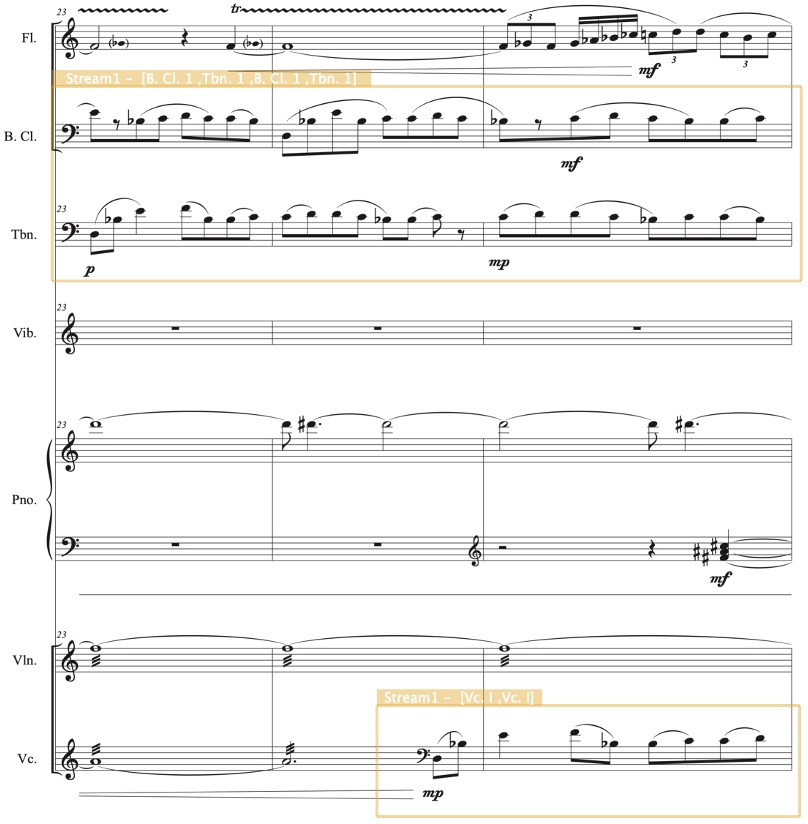 Figure 1: To A Lullaby, mm. 23-25.
Media 1: To A Lullaby (mm. 23-25) by Anita Pari, video recording of live performance of the CORE 2 Ensemble (McGill), Montréal, April 2022. Watch Media 1.
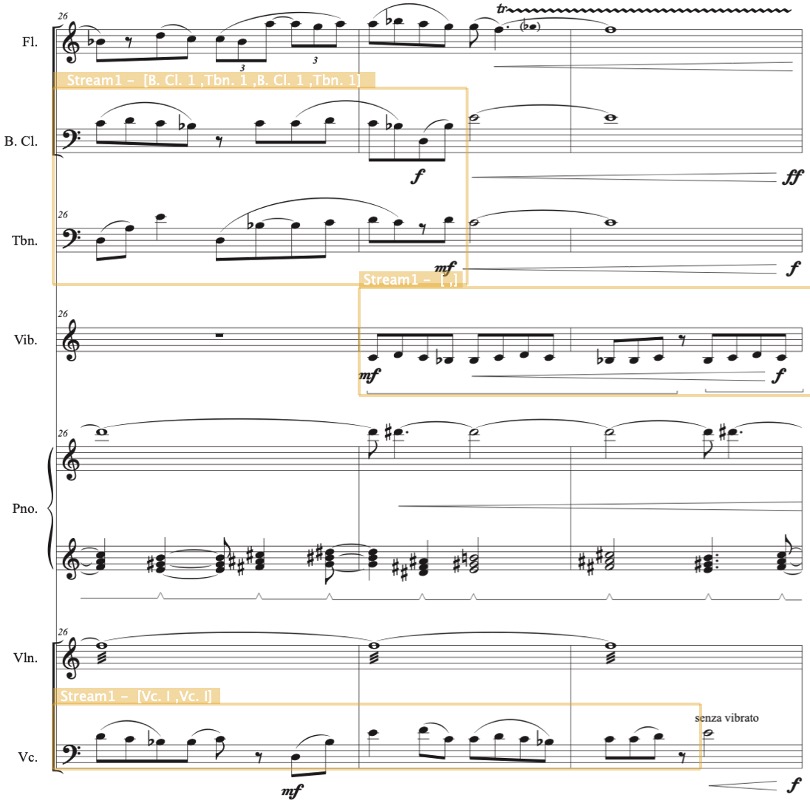 Figure 2: To A Lullaby, mm. 26-28.
Media 2: To A Lullaby (mm. 26-28) by Anita Pari, video recording of live performance of the CORE 2 Ensemble (McGill), Montréal, April 2022. Watch Media 2.
The next two examples showcase Pari’s use of surface textures in the piece. While also a type of sequential grouping, the surface texture is considered a looser category than stream integration. When there is a perceived musical grouping, but individual voices are not all that similar, we may label this as surface texture:
The integration of a surface texture occurs when two or more instruments have different material—contrasting rhythmic figures and/or pitch material—but are integrated perceptually into a single surface texture. […] It is perceived as being more than a single instrument, but the instruments do not clearly separate into distinguishable and trackable streams. (McAdams et al. 2022)
The first example of a surface texture in To A Lullaby starts at m. 40 and involves the whole ensemble except the trombone. The strings have short harmonics, the piano has individual pitches generally in the high register, and the vibraphone has double-stops and chords, also in the high register (Figure 3). Later, the flute and bass clarinet join with key clicks. Importantly, none of these gestures are played at the same time, or at least not intentionally. The passage begins and ends with notated rhythms but is, for the most part, out of time and unconducted, or senza misura. Throughout this senza misura section, the performers are instructed to count in their own tempo, approximately 54-72 bpm, and count a specified number of rests between each note (anywhere from two to four beats). The result is a surface texture in which the listener cannot separate individual instruments into musical lines.
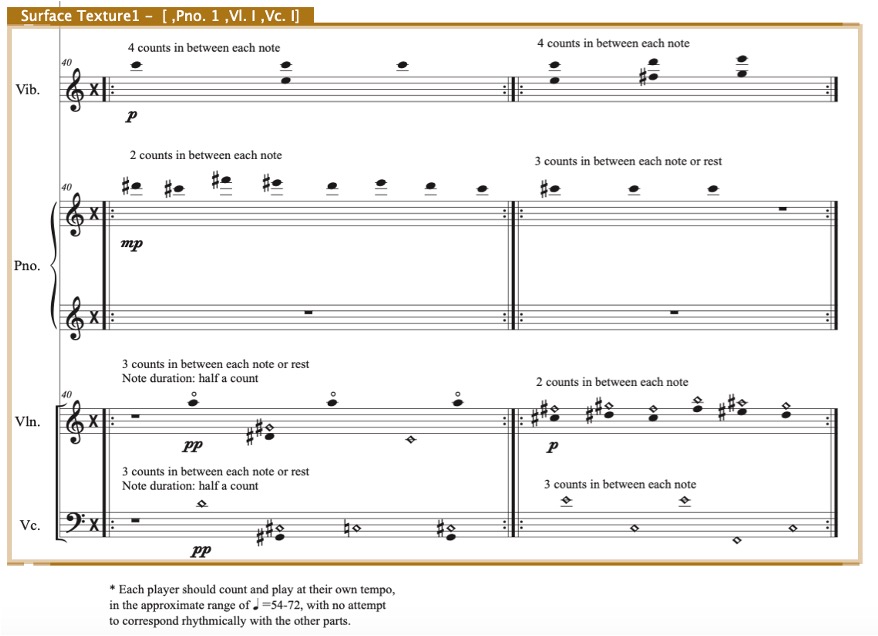 Figure 3: To A Lullaby, mm. 40-41.
Media 3: To A Lullaby (mm. 40-41) by Anita Pari, video recording of live performance of the CORE 2 Ensemble (McGill), Montréal, April 2022. Watch Media 3.
In addition to the lack of shared tempo or meter, the chosen instruments, soft dynamics, and techniques (medium mallets for the vibraphone, individual notes in the piano with the sustain pedal, and harmonics in the strings) create a sound world of sparkly timbres that are perceptually grouped together. The only case where one instrument clearly leaves the texture is when the violin is notated legato with slurs in m. 43 (Figure 4). This major change in articulation puts the violin in a separate auditory stream for two bars.
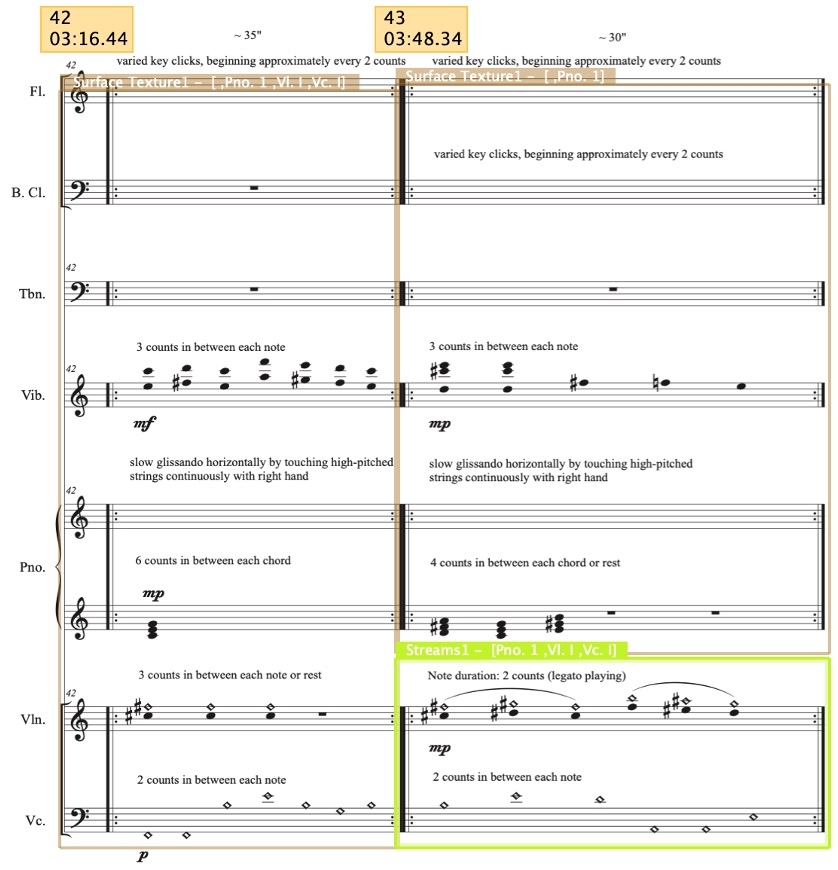 Figure 4: To A Lullaby, mm. 42-43.
Media 4: To A Lullaby (mm. 42-43) by Anita Pari, video recording of live performance of the CORE 2 Ensemble (McGill), Montréal, April 2022. Watch Media 4.
Another example of a surface texture may be found later in the piece at mm. 76-87. While the previous example had a suspended, timeless texture, this section has heightened musical tension and sense of direction due to its faster pace and higher density of material. The piano starts the texture by continuing a rhythmic line that originated at the end of the previous section. The vibraphone and the strings join the piano in this texture (Figure 5). The four instruments have short, sharp attacks. The vibraphone and strings match particularly well thanks to the use of hard mallets, pizzicato, and nail pizzicato, which create more brittle timbres. All the instruments are also in similar dynamic ranges. (The strings are generally notated a level or two above the piano and vibraphone, most likely to compensate for the lack of volume in pizzicato. The perceptual result is that all instruments sound at a similar volume.) Additionally, the pitch material is very similar; the vibraphone and strings mimic each other in pitch contour, and new pitches are slowly incorporated throughout the section in a way that adds texture but does not bring an individual instrument to the foreground.
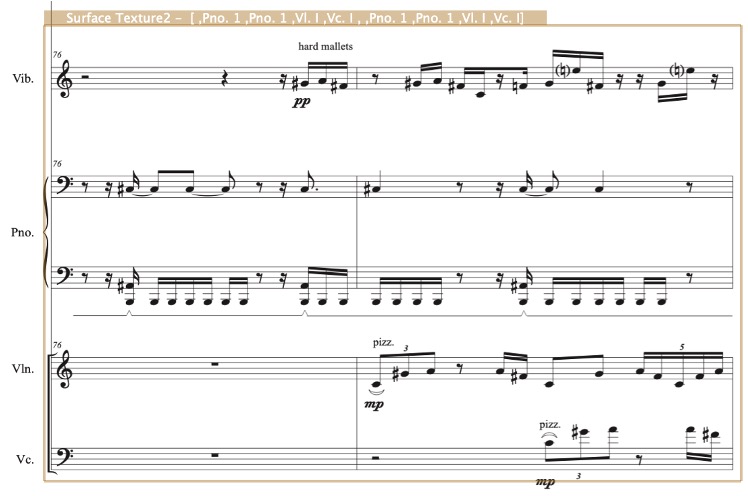
Figure 5: To A Lullaby, mm. 76-77.
Media 5: To A Lullaby (mm. 76-77) by Anita Pari, video recording of live performance of the CORE 2 Ensemble (McGill), Montréal, April 2022. Watch Media 5.
After this surface texture of short, brittle attacks has been established for a few bars, the bass clarinet and trombone enter and create a new stream on top of the texture (Figure 6). The attacks of these instruments are rounder than the pointed attacks from the vibraphone, piano, and pizzicato strings. This roundness helps the listener perceptually group the bass clarinet and trombone together and differentiates them from the more percussive surface texture. Additionally, their material is sustained and does not risk blending with the non-sustained material of the surface texture. At m. 85, the flute joins this smoother stream with a sustained line that bridges this section to the next, which starts at m. 88.
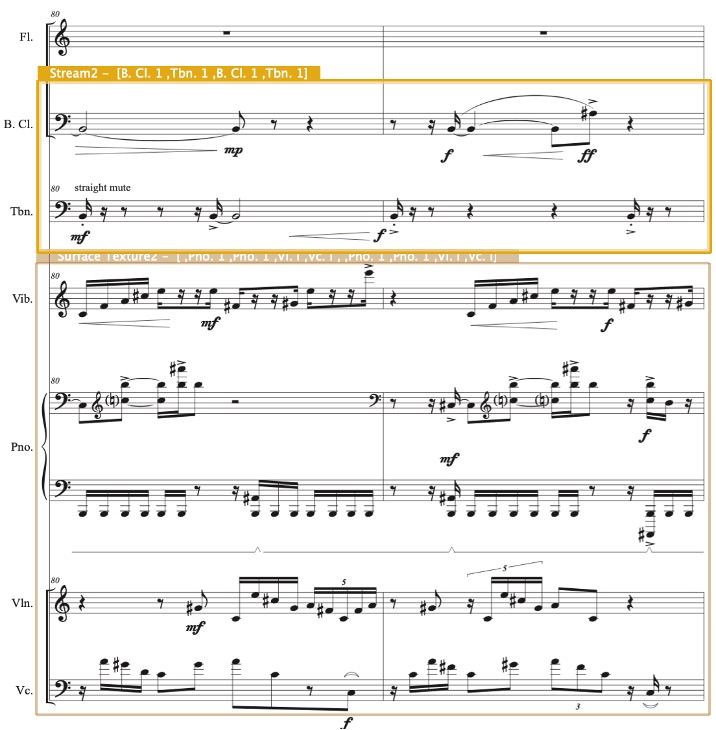 Figure 6: To A Lullaby, mm. 80-81.
Media 6: To A Lullaby (mm. 80-81) by Anita Pari, video recording of live performance of the CORE 2 Ensemble (McGill), Montréal, April 2022. Watch Media 6.
In addition to creating integrated streams and surface textures, Pari sometimes segregates (or stratifies) musical streams. The hierarchical categorization of perceptual streams as foreground and background may be defined as stream stratification: “…groupings of instrumental parts into orchestral layers that are different in prominence (McAdams et al. 2022).” For example, at mm. 59-60, the violin and piano create a background layer (Stratification 1 in dark blue, Figure 7). The violin softly sustains a long line of whole notes while the piano plays a pattern of repeated notes. The pedal marking in the piano diffuses the attacks of individual notes, allowing it to blend with the violin; it simply adds texture to the sustained sound. The flute and trombone also enter and leave this background layer with similarly soft, sustained notes.
Despite all the instruments playing relatively soft dynamics (pianissimo to mezzo piano), the non-sustaining gestures and motifs come to the foreground (Stratification 2 in light blue). The trombone and later the cello share a similar chromatic motif, while the piano (right hand), bass clarinet, and eventually vibraphone exchange triplets (Figure 8). Despite very sparse orchestration, the more articulated, non-sustained motifs are well-balanced in the foreground while the sustained line in the violin and piano remain in the background to create an underlying feeling of depth, fullness, and direction.
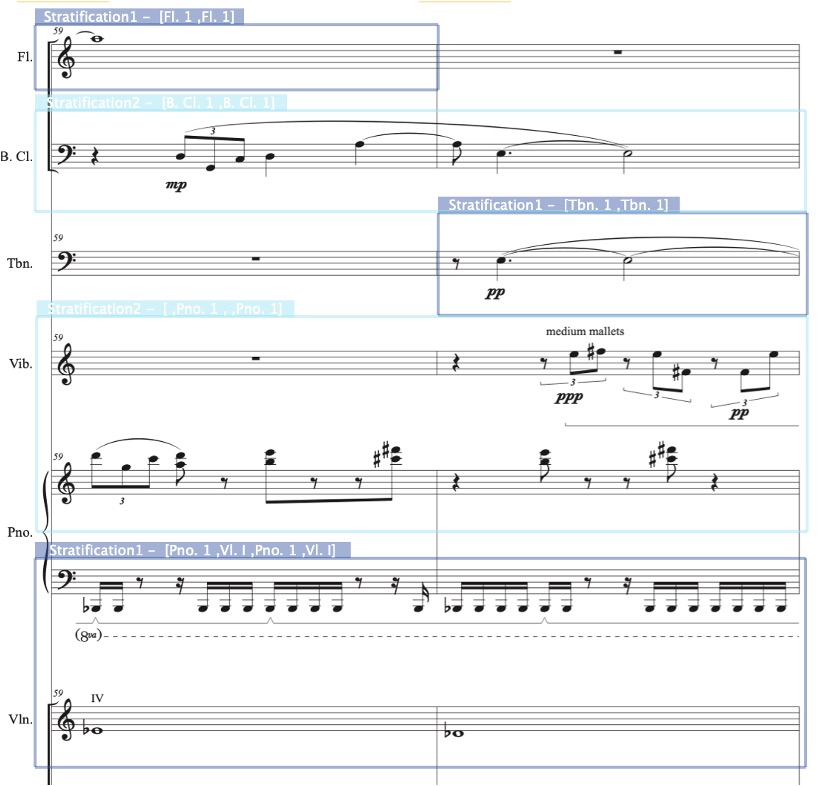 Figure 7: To A Lullaby, mm. 59-60.
Media 7: To A Lullaby by Anita Pari (mm. 59-60), video recording of live performance of the CORE 2 Ensemble (McGill), Montréal, April 2022. Watch Media 7.
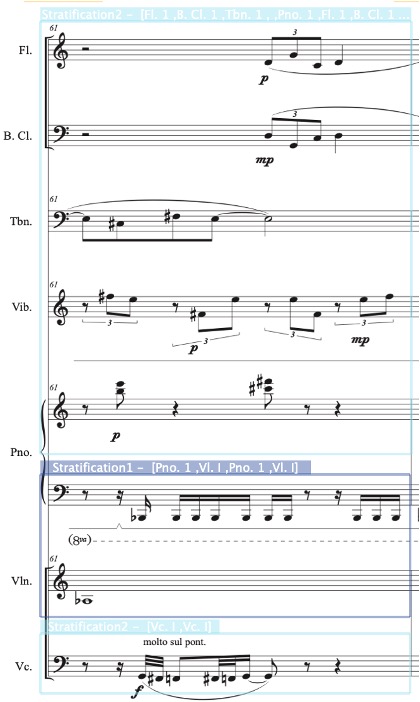 Figure 8: To A Lullaby, m. 61.
Media 8: To A Lullaby by Anita Pari (m. 61), video recording of live performance of the CORE 2 Ensemble (McGill), Montréal, April 2022. Watch Media 8.
Finally, Pari often uses the string instruments as timbre colouring tools, augmenting and creating new timbres with other instruments. At the end of the piece, the cello blends so well with the bass clarinet that a new timbre emerges. McAdams et al. take their definition of timbral emergence from Sandell: “Timbral emergence occurs when the fusion of different instruments results in the synthesis of a new timbre that is identified as none of its constituent instruments, creating a new sonority (Sandell 1995, pp. 209–246; McAdams et al. 2022).” At m. 88 of To A Lullaby, the cello and bass clarinet play an unaltered, unabridged version of the lullaby to which the piece owes its name (Figure 9). The instruments are written in unison pitch and rhythm, which certainly contributes to blend, but is not the only factor. The bass clarinet is also instructed to leak air while playing, and the cello is senza vibrato, sul tasto, and flautando. Sul tasto and flautando give the cello an airy timbre that blends with the air-leaking sound produced by the clarinet. A new timbre emerges from this combination that does not resemble the bass clarinet or the cello. When the bass clarinet drops out at m. 100, the solo cello timbre is surprising compared to the composite timbre that preceded it.
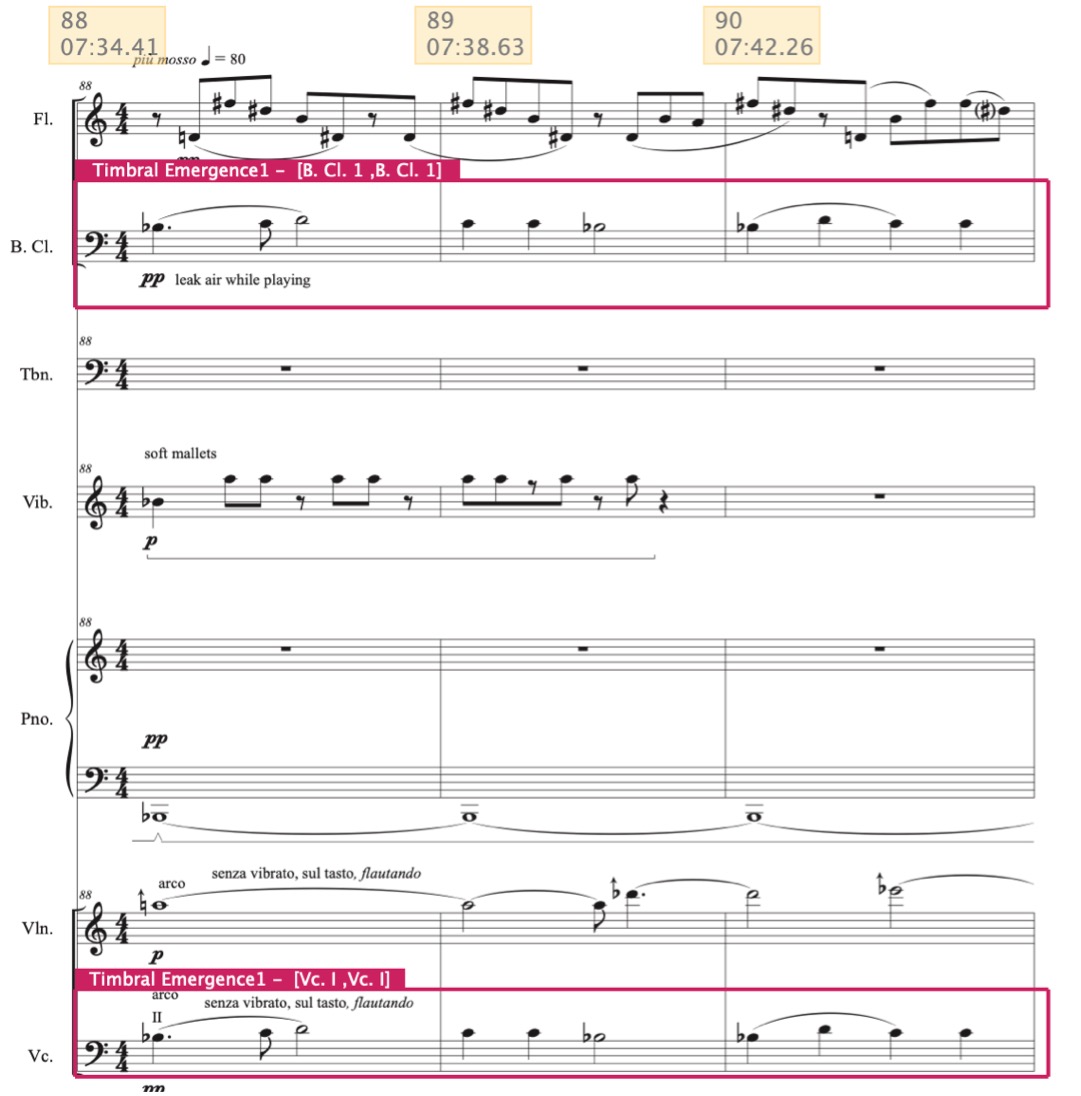 Figure 9: To A Lullaby, mm. 88-90.
Media 9: To A Lullaby (mm. 88-90) by Anita Pari, video recording of live performance of the CORE 2 Ensemble (McGill), Montréal, April 2022. Watch Media 9.
These examples illustrate how Pari creates integrated streams, surface textures, and how these layers can be stratified into perceived foreground and background. The violin and cello are used in a fairly traditional manner, with limited extended techniques (harmonics and nail pizzicato). Pari does not rely on extended techniques to create timbral phenomena; rather, she orchestrates in such a way as to create blend or non-blend, and then auditory streams and strata.
Louis-Michel Tougas – Étude pour ensemble de chambre
In Louis-Michel Tougas’s piece Étude pour ensemble de chambre (2022), the violin and cello serve many different functions in terms of timbral orchestration. I will first discuss the use of string extended techniques to create streams of greater and lesser importance (foreground and background). Then, I will point to where Tougas uses the inherent abilities of string instruments (namely sustain and gradual change in dynamics) to create timbral resonance and Klangfarbenmelodies. Finally, I will highlight an interesting timbral phenomenon the composer creates using the strings, a sort of “reverse” timbral resonance.
While stratification, the hierarchical categorization of perceptual streams, is conventionally associated with “melody” and “accompaniment,” some contemporary music achieves stratification through timbral differentiation. This is the case in Étude. The strings are perceived as being a part of one stream or another mainly by their timbre rather than explicit melodic content. I will give three examples in the piece: 1) where the strings work together as one stream and the rest of the ensemble as another, 2) where the strings are separated into different streams with other instruments from the ensemble, and 3) where the strings play alone but still result in two perceptual streams. I propose that Tougas uses the wide array of timbral possibilities available to string players to, at different occasions, bring the strings into the foreground or keep them in the background.
The first example of stratification is at rehearsal C. The first crescendo gesture is a blended timbral augmentation of the flute’s flutter tongue. After this event, the music is then perceptually divided into two streams (Figure 10). Stream 1 (light blue), the initial foreground, is characterized by stable pitches, little-to-no upper partials in the sound, and active rhythmic content. Stream 2 (dark blue), the initial background, is characterized by less stable pitches, trills, unpitched material, and sounds favouring upper partials. The roles of the instruments in each stream and of the streams themselves change gradually throughout the section.
While the violin and cello work together as a unit in this example (both instruments maintain the same timbral function), they do not necessarily stay in the same stream the whole time. For example, the strings start off in Stream 1. The sul tasto gesture maintains enough pitch and stability to come to the foreground. However, immediately after, in m. 17, a drastic change in timbre moves them into Stream 2. The harmonic trills create an unstable sound that comes across as more textural, and the subsequent gesture on the bridge creates noise and no pitch (Figure 10). In m. 19, the strings move back into Stream 1 with their artificial harmonics (Figure 11). While one might associate harmonics with the glassier textural timbre of Stream 2, in this instance, the stability of the pitches and heightened volume differentiates the strings from the flutter tongue and other non-pitched sounds.
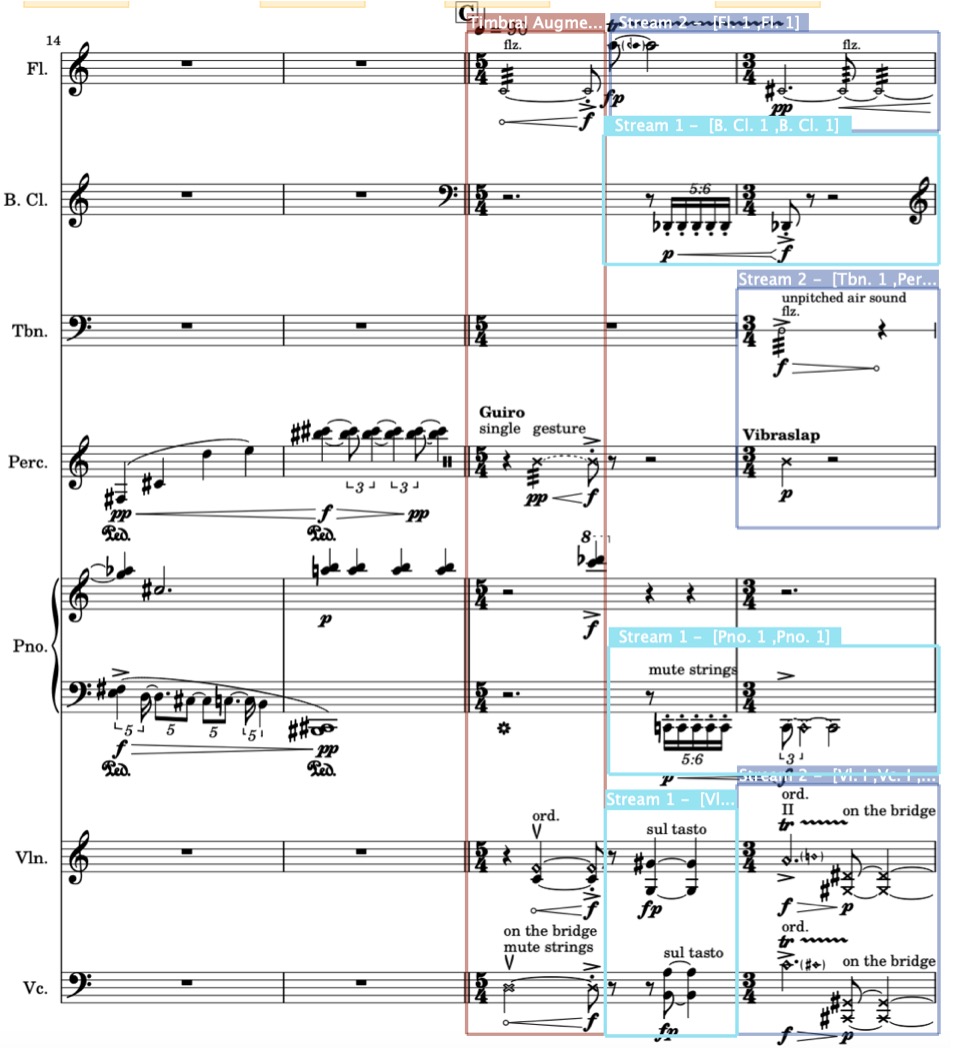 Figure 10: Étude, mm. 14-17.
Media 10: Étude (mm. 14-17) by Louis-Michel Tougas, video recording of live performance of the CORE 2 Ensemble (McGill), Montréal, April 2022. Watch Media 10.
Up until this point, Stream 1 and 2 have maintained their respective functions of foreground and background. However, in m. 21, the glassy timbre of Stream 2 begins to dominate the orchestration and come to the foreground. This is due to the decreased number of voices in Stream 1, as well as the transformation of material in both streams. While Stream 1 maintains a melodic arc in mm. 21-23, the addition of flutter tongue texturizes the sound and takes away from its melodic properties. Likewise, the strings in mm. 22-23 signal a shift in the function of Stream 2 (Figure 12). Although the strings have a harmonic trill and are marked half-pressure (left hand) and sul ponticello, the writing has become more melodic and speaks above the textural flutter tongue of Stream 1. In this case, the presence of upper partials in the sound brings the material to the foreground, whereas at the beginning of C, similar sounds helped the strings maintain a more textural role in the background. I choose to maintain the categorization of this material as Stream 2 because of its timbral properties, despite it coming to the foreground.
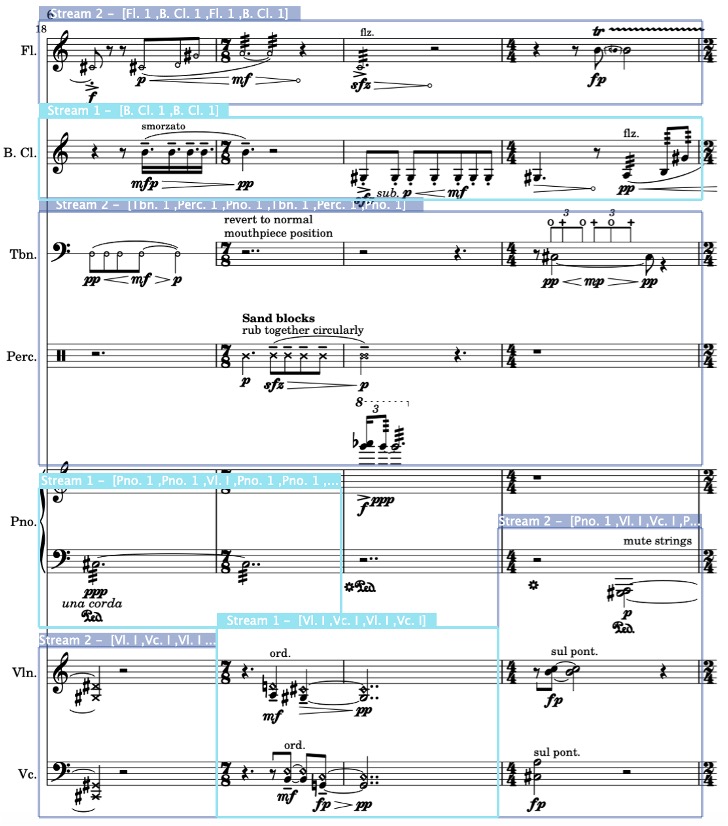 Figure 11: Étude, mm. 18-21.
Media 11: Étude (mm. 18-21) by Louis-Michel Tougas, video recording of live performance of the CORE 2 Ensemble (McGill), Montréal, April 2022. Watch Media 11.
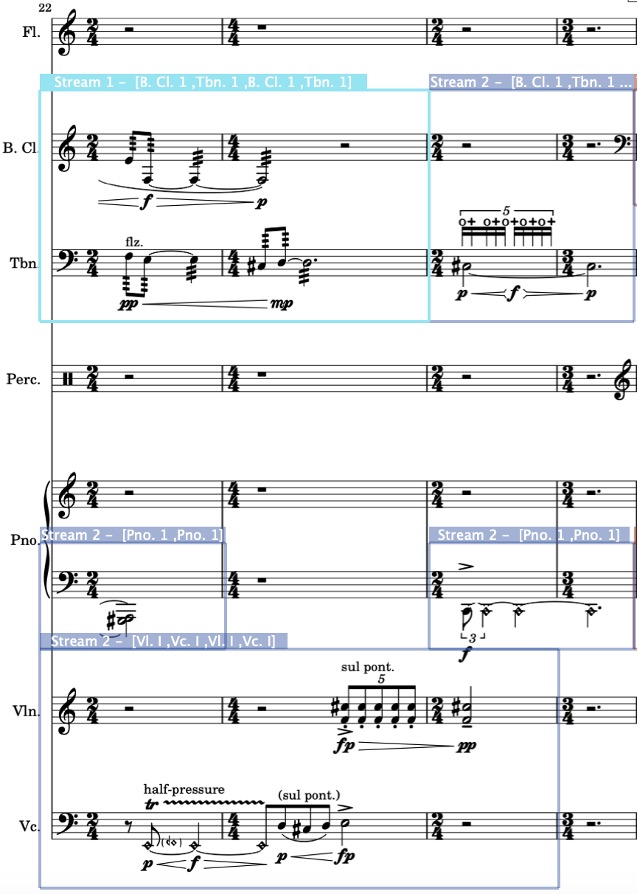 Figure 12: Étude, mm. 22-25.
Media 12: Étude (mm. 22-25) by Louis-Michel Tougas, video recording of live performance of the CORE 2 Ensemble (McGill), Montréal, April 2022. Watch Media 12.
Rehearsal G is the second example of stratification and is very similar to rehearsal C; it has Stream 1 (light blue) with pitched material, Stream 2 (dark blue) with glassy, textural material, and the addition of Stream 3 (light green) for the bowed flexatone, which doesn’t blend into either of the first two. The main differences are the function of the strings (this time, the violin and cello do not work as a unit and are broken into different streams) and the consistency of those functions (Stream 1 maintains foreground status and Stream 2 maintains background status).
Furthermore, this example indicates how timbre is useful to differentiate the strings not only from other instruments, but also from each other. From the second bar of G, the violin is in Stream 1. The rhythm is active and melodic, and the pitch is stable. The cello, however, is much softer and marked col legno tratto, which destabilizes the pitch. While at first it might seem like the cello is blending into the violin sound, it can be seen as already being in Stream 2, which continues throughout the example (Figure 13). At m. 71, the cello switches back to Stream 1 with arco normale and a continuation of the violin’s previous melody. At the same time, the violin and trombone enter Stream 2. The violin’s col legno tratto trill blends with the trombone’s fast vibrato and creates texture underneath the cello’s line. The instruments stay in their respective streams until m. 76, where the violin migrates into Stream 1, highlighted by the sudden lack of col legno tratto. At this point, the cello plays col legno and returns to Stream 2 (Figure 14). In conclusion, harmonic trills and col legno tratto differentiate the strings from each other. The instrument using the technique is perceived as belonging to Stream 2, while the instrument without is perceived as belonging to Stream 1.
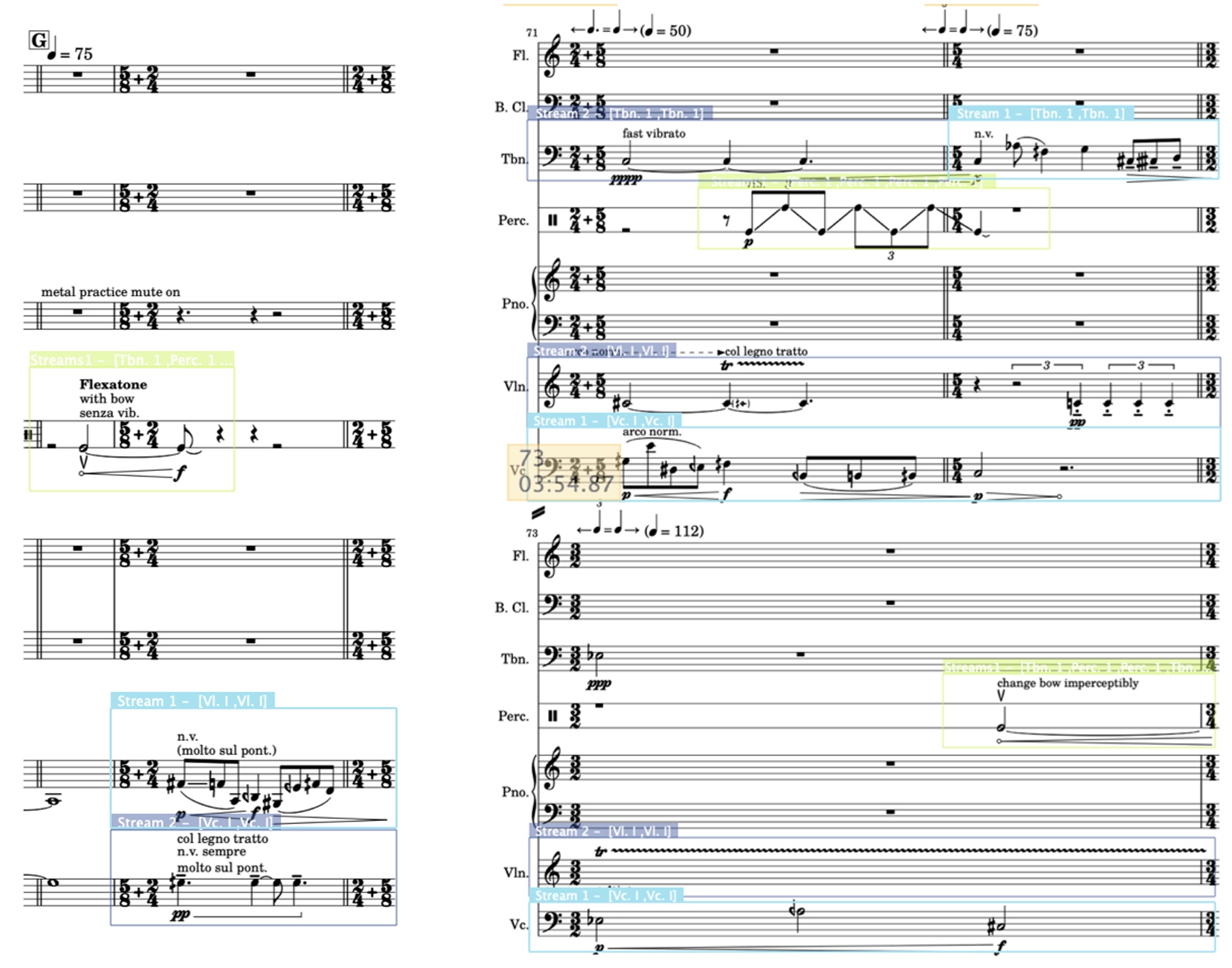
Media 13: Étude (mm. 69-73) by Louis-Michel Tougas, video recording of live performance of the CORE 2 Ensemble (McGill), Montréal, April 2022. Watch Media 13.
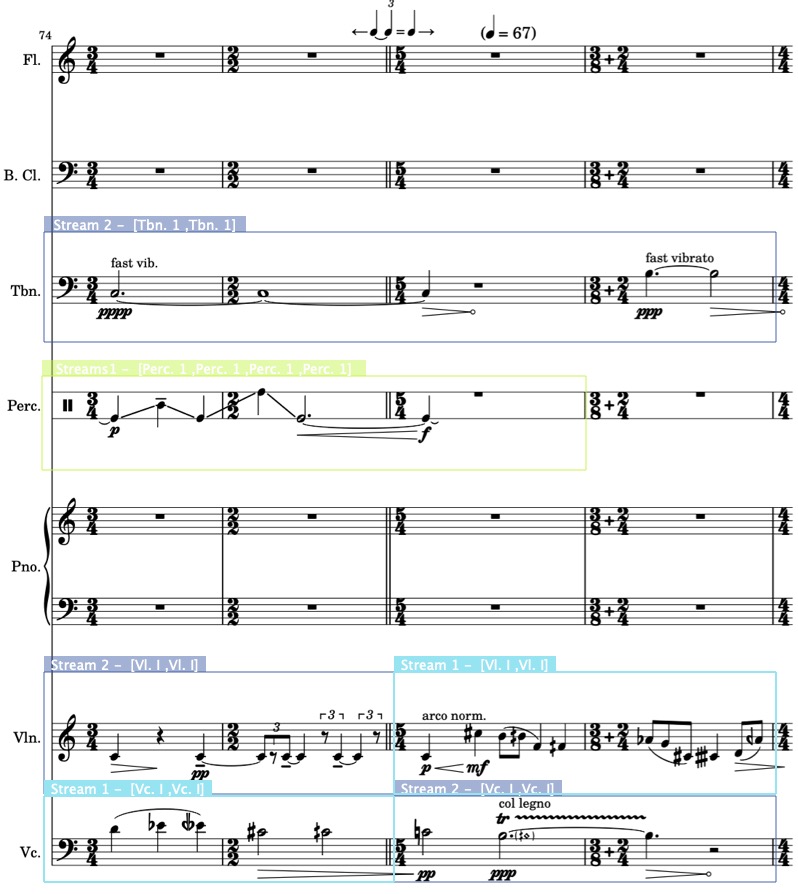 Figure 14: Étude, mm. 74-77.
Media 14: Étude (mm. 74-77) by Louis-Michel Tougas, video recording of live performance of the CORE 2 Ensemble (McGill), Montréal, April 2022. Watch Media 14.
The final example of stratification is the conclusion of the piece, a lengthy, unaccompanied violin-cello duet. This time, because both instruments are marked molto sul ponticello and half-col legno tratto, these specific sound qualities do not help to separate them into different streams. In this case, the polyphonic writing is highlighted by sustained harmonic trills. The trills constitute Stream 2 (dark blue), which is background material. Stream 1 (light blue) has quarter tones and a more active, melodic rhythm. From rehearsal L to the end of the piece, the violin and cello switch between Streams 1 and 2 and avoid blending. For the final three bars, both instruments are in Stream 1. This excerpt demonstrates that stratification is possible even between two string instruments (Figure 15).
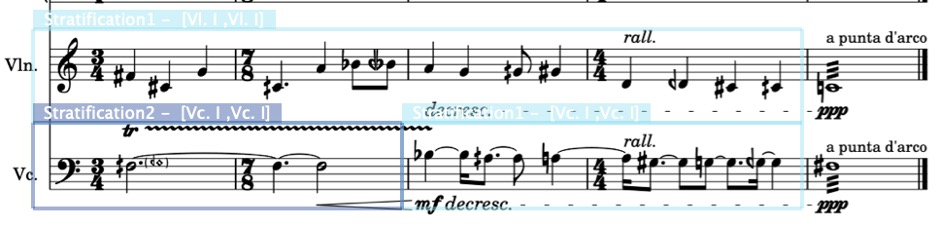 Figure 15: Étude, mm. 143-147.
Media 15: Étude (mm. 143-147) by Louis-Michel Tougas, video recording of live performance of the CORE 2 Ensemble (McGill), Montréal, April 2022. Watch Media 15.
In addition, Tougas also uses the inherent ability of string instruments to sustain and swell as a primary way to create timbral events. There are three similar sections of the piece that play with this idea of sustaining: rehearsal D, rehearsal I, and rehearsal K. Each of these sections begins with the piano, a non-sustaining instrument, striking a chord and the other instruments emerging to create the illusion of resonance. These events are instances of “timbral resonance,” a special type of timbral augmentation: “…fusion in which one dominant instrument is embellished or colored by a subordinate instrument or group of instruments (McAdams et al. 2022).” The music then transforms into a Klangfarbenmelodie as the sustaining instruments take turns swelling up and down in volume to create a composite melodic line.
Rehearsal D is the first of these timbral resonance-Klangfarbenmelodie sections (Figure 16). At D, this sequence happens three times, each with a slight timbral development. The piano first strikes a mezzo-forte C-sharp and A with the sustain pedal at m. 26. The bass clarinet immediately emerges out of the piano’s resonance with a C-sharp crescendo to forte, followed by the cello on G. Here, the sul tasto marking in the strings blends well with the breathy, timbre of the winds. The bowed vibraphone enters on C, followed by the trombone with a B quarter-flat. These swells only reach mezzo-piano, mezzo-forte, and forte. At m. 31, the piano suddenly strikes a more dissonant forte chord, A-sharp, B, and F, and begins the second sequence. The flute emerges first with an F three-quarter-sharp, then the violin on F, followed by vibraphone on A-sharp. At m. 36, the piano hits the loudest and most dissonant chord with the notes A, B-flat, D-sharp, and E. The cello (F quarter-sharp) and trombone (E) emerge first, followed by bass clarinet (G), percussion (F), flute (F-sharp) and violin (D quarter-flat). The violin has the final swell up and down before a small crescendo leading to the next section. All of the swells in this last Klangfarbenmelodie reach fortissimo with the exception of the cello, only going to forte. In addition to increased volume, extra texture is created by the presence of multiple semitones and quartertones, as well as timed bisbigliando and vibrato (Figure 17). For example, Tougas notates molto vibrato (~3 cps) for the cello in m. 36 and molto vibrato (~4 cps) for the violin in m. 38. The slight modulations in pitch create a less stable, more textured blend.
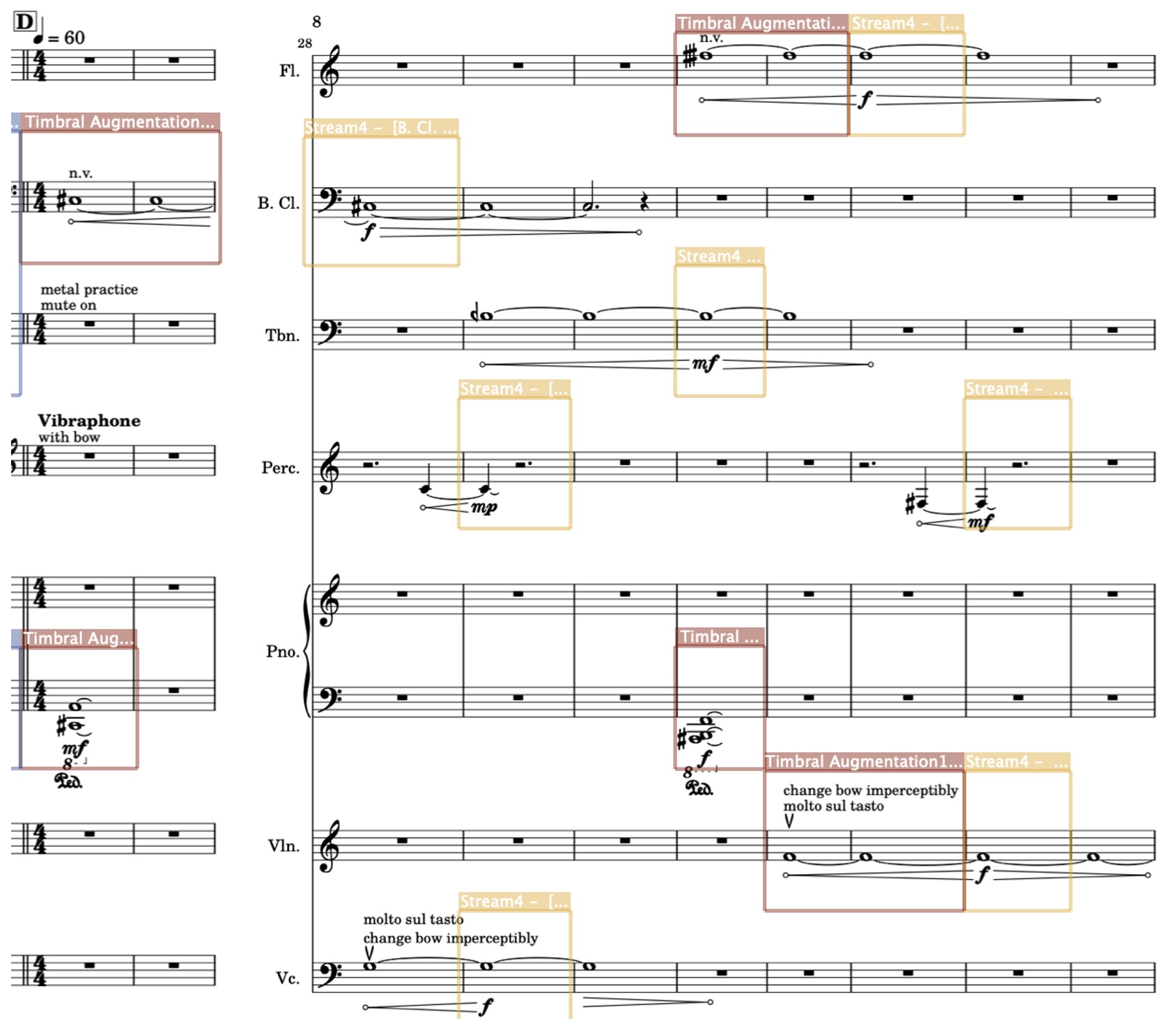
Figure 16: Étude, mm. 26-35.
Media 16: Étude (mm. 26-35) by Louis-Michel Tougas, video recording of live performance of the CORE 2 Ensemble (McGill), Montréal, April 2022. Watch Media 16.
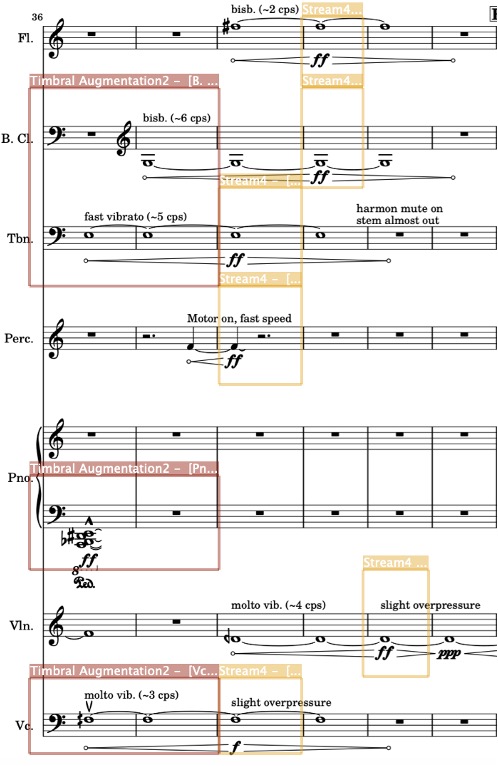 Figure 17: Étude, mm. 36-41.
Media 17: Étude (mm. 36-41) by Louis-Michel Tougas, video recording of live performance of the CORE 2 Ensemble (McGill), Montréal, April 2022. Watch Media 17.
In these timbral resonance-Klangfarbenmelodie sections, Tougas creates interesting sonic events that play with timbre. He does this by writing for the string and wind instruments’ unique ability to sustain, creating texture with more dissonant pitch content, and incorporating the controlled use of vibrato.
A final timbral phenomenon where Tougas uses the string instruments comes at the end of rehearsal I, the second of the timbral resonance-Klangfarbenmelodie sections. At m. 101, the strings emerge slowly from the Klangfarbenmelodie texture that has, this time, been created solely by the winds. The molto sul ponticello marking brings their sound to the foreground, and an exponential crescendo gives their note a particular sense of pull towards the landing at m. 102. At m. 102, the strings arrive with the final chord struck by the piano. The perceptual effect is a “reversed” timbral resonance; the artificial resonance begins the gesture, which then ends with the punctuated chord (Figure 18). Of the three timbral resonance-Klangfarbenmelodie sections, this is the only instance of the piano chord being preceded by a crescendo. The pull towards this chord gives it a particular sonic importance and sense of arrival.
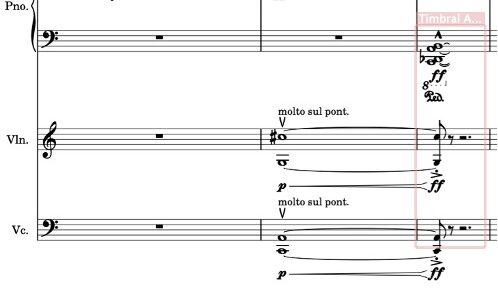 Figure 18: Étude, mm. 100-102.
Media 18: Étude (mm. 100-102) by Louis-Michel Tougas, video recording of live performance of the CORE 2 Ensemble (McGill), Montréal, April 2022. Watch Media 18.
In conclusion, Tougas’s Étude displays a variety of string instrument functions. Timbre is used as a medium for stratification, and the nuanced use of string sounds both brings the instruments to the foreground and keeps them in the background. The instruments’ ability to sustain and gradually change volume are used as tools to create longer lines within the ensemble, namely in the Klangfarbenmelodie sections.
Jihyoung Lee – The Fingers of a Shaman
While the other two pieces seem to explore timbre and orchestration in an overarching way that is reflected in their musical forms, Jihyoung Lee’s The Fingers of a Shaman explores individual sound effects and events on a more local level. Extended techniques in all instruments occur in rapid succession throughout the piece. Lee’s writing highlights the multitude of timbres that can be created by each instrument individually, less-so the orchestrational phenomena that may be more-readily analyzed with the TOGE (e.g. blend, non-blend, streaming, etc.). Thus, I will primarily focus on the multiplicity of string sounds found in this piece rather than their orchestrational functions. The strings are given many extended techniques, both for left and right hands. There are three categories of string extended techniques found in this piece that I would like to discuss: 1) extended techniques that allow the strings to function as percussion, 2) innovative use of glissandi, and 3) extended bow techniques that result in clear timbral contrast between repeated motifs.
In The Fingers of a Shaman, the strings often function as musical punctuation at the beginnings and ends of phrases, and these punctuations generally use percussive or non-pitched techniques. The most-frequently used techniques in the piece are variations on pizzicato. At m. 7, the violin has a pizzicato strum from the lowest to the highest string, muted by the left hand (Figure 19). At m. 16, the violin repeats this gesture, which this time functions as a pick-up note to a tutti chord. Dampened Bartók pizzicati are found towards the end of the piece. At m. 122, the violin and cello have a muted vertical bowing gesture punctuated at the end with a muted Bartók pizzicato (Figure 20).2No media example is given for Figure 20 because the technique is not audible in the recording due to the orchestration. The very last note of the piece is a double-stop muted Bartók pizzicato. The “double” Bartók pizzicato is louder and punchier than the same technique executed on a single string (Figure 21). Left-hand pizzicato is also sometimes used; at m. 124, the strings have an accented, bowed, double-stop glissando that is punctuated at the beginning with a left-hand pizzicato on the lowest string (Figure 22).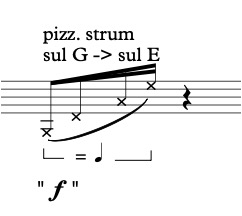 Figure 19: The Fingers of a Shaman, m. 7.
Media 19: The Fingers of a Shaman (m. 7) by Jihyoung Lee, video recording of live performance of the CORE 2 Ensemble (McGill), Montréal, April 2022. Watch Media 19.
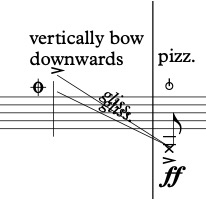 Figure 20: The Fingers of a Shaman, m. 122.
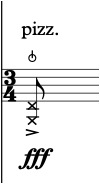 Figure 21: The Fingers of a Shaman, m. 132.
Media 20: The Fingers of a Shaman (m. 132) by Jihyoung Lee, video recording of live performance of the CORE 2 Ensemble (McGill), Montréal, April 2022. Watch Media 20.
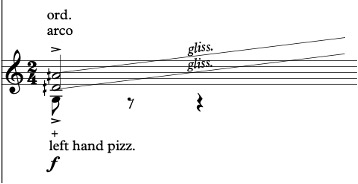 Figure 22: The Fingers of a Shaman, m. 124.
Media 21: The Fingers of a Shaman (m. 124) by Jihyoung Lee, video recording of live performance of the CORE 2 Ensemble (McGill), Montréal, April 2022. Watch Media 21.
Circular bowing is used in a percussive manner in several spots throughout the piece. Sometimes, circular bowing may produce a pitched effect. However, depending on the speed of the gesture and whether the left hand mutes the strings, circular bowing may produce an un-pitched, percussive effect. At m. 123, for example, the violin and cello have muted circular bowing with the addition of col legno (Figure 23). The muting of the left hand already eliminates pitch, and the col legno adds a brittle timbre with some upper partials.3No media example is given for Figure 23 because the technique is not audible in the recording due to the orchestration. Similarly, at m. 125, the strings have a rapid circular bowing gesture for a short duration of only three sixteenth notes (Figure 24). The speed of the bowing increases the amount of noise in the sound and decreases the amount of pitch, allowing it to blend with the sound of the shaker.
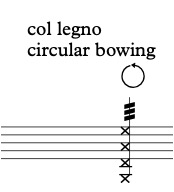 Figure 23: The Fingers of a Shaman, m. 123.
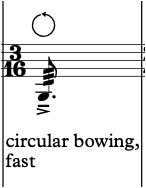 Figure 24: The Fingers of a Shaman, m. 125.
Media 22: The Fingers of a Shaman (m. 125) by Jihyoung Lee, video recording of live performance of the CORE 2 Ensemble (McGill), Montréal, April 2022. Watch Media 22.
There is one percussive extended technique in the piece that makes use of an accessory to produce a percussive sound. At m. 18, the violin and cello are instructed to “vertically rub down the strings with a card from the highest register.” They are also instructed to dampen the strings with the left hand to avoid pitch (Figure 25). The resulting sound is a percussive, non-pitched gesture that punctuates the middle of the two crescendo gestures played inside the piano.
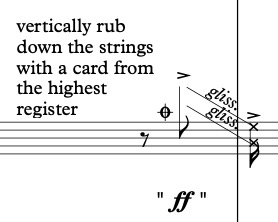
Figure 25: The Fingers of a Shaman, m. 18.
Media 23: The Fingers of a Shaman (m. 18) by Jihyoung Lee, video recording of live performance of the CORE 2 Ensemble (McGill), Montréal, April 2022. Watch Media 23.
Lastly, there are two percussive extended techniques in the piece that are worth mentioning for their novelty, but are difficult to distinguish from the general ensemble texture in the recording. The violin is instructed at m. 36 to “vertically slide down on E string from the highest register (Figure 26).” Alone, this left-hand slide results in a “swiping” sound. However, in the context of the ensemble where the cello plays a Bartók pizzicato and the percussionist hits a Buffalo Drum, the technique is completely swallowed. The technique could be effective if it were used in an extremely quiet section with unpitched material. Even then, it might need to be amplified. The second extended technique that is difficult to aurally discern is where the strings are instructed at mm. 39 and 40 to “put the finger between the [lowest] two strings on the fingerboard, hit horizontally, fast and alternatively with fingernails (Figure 27).” This finger tremolo creates a very faint rubbing sound. However, in the context of the piece, it is inaudible. At m. 39, the technique is paired with three other forte gestures: a harmonic sweep in the flute, an overtone glissando in the bass clarinet, and a vertical glissando inside the piano. At m. 40, the piano maintains the same gesture, but the winds change to an air sound flutter tongue. Even though the flutter tongue is quieter than the previous gesture, it is still loud enough to mask the finger tremolo.
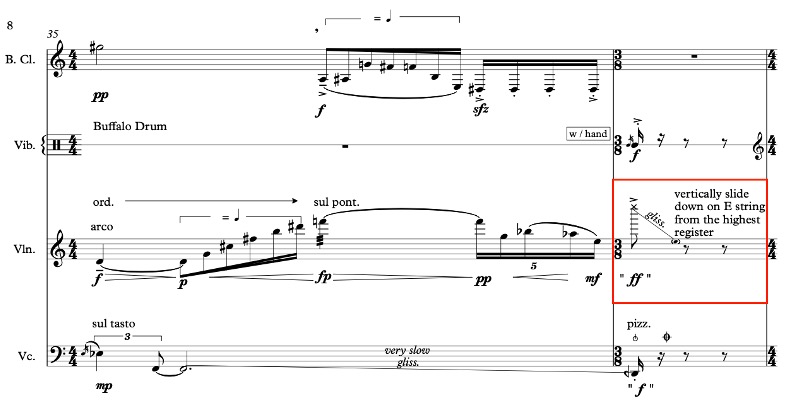 Figure 26: The Fingers of a Shaman, mm. 35-36.
Media 24: The Fingers of a Shaman (mm. 35-36) by Jihyoung Lee, video recording of live performance of the CORE 2 Ensemble (McGill), Montréal, April 2022. Watch Media 24.
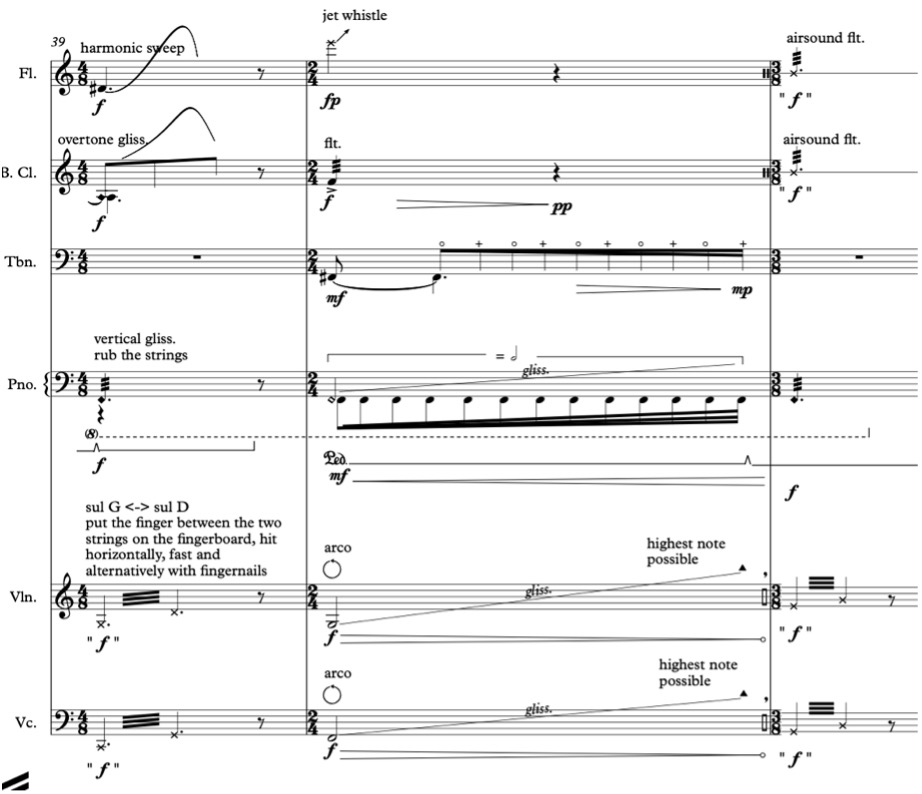 Figure 27: The Fingers of a Shaman, mm. 39-41.
Media 25: The Fingers of a Shaman (mm. 39-41) by Jihyoung Lee, video recording of live performance of the CORE 2 Ensemble (McGill), Montréal, April 2022. Watch Media 25.
The second category of string extended techniques I will discuss encompasses various types of glissandi. Often, the glissandi in this piece are paired with other extended techniques. For example, at m. 9 and mm. 51-52, the strings’ glissandi are paired with vibrato (Figure 28). A similar gesture has been used as an expressive tool in Romantic string music; for instance, in the cadenza of the Tchaikovsky violin concerto or in Zigeunerweisen by Pablo de Sarasate. It is typically notated as a chromatic scale with a slur (Figure 29), but Lee notates it in a simpler way: a wavy line implies vibrato and glissando at the same time. In this context, the violin and cello vibrato–glissandi emulate a chromatic, descending scale that follows those of the flute, bass clarinet, and piano. These glissandi are not rhythmically synchronized.
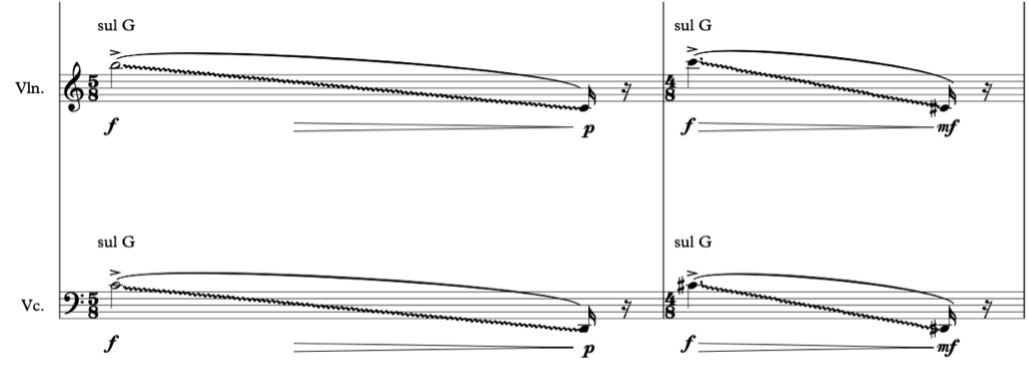 Figure 28: The Fingers of a Shaman, mm. 51-52.
Media 26: The Fingers of a Shaman (mm. 51-52) by Jihyoung Lee, video recording of live performance of the CORE 2 Ensemble (McGill), Montréal, April 2022. Watch Media 26.
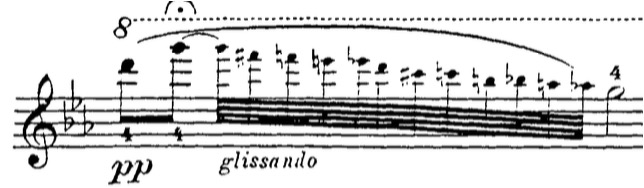 Figure 29: violin part from Ziguenerweisen by Pablo de Sarasate.
Media 27: Score-video of Ziguenerweisen by Pablo de Sarasate, performed by Emmy Verhey (violin) and Carlos Moerdijk (piano). Watch Media 27.
Glissandi are also combined with other extended techniques in this piece, such as artificial harmonics and circular bowing. For instance, at mm. 20-22, the violin plays a “gestural harmonic glissando.” In the score preface, Lee instructs: “arbitrary pitches can be used, however, follow the graphic lines to follow the musical gesture as indicated. Start with the indicated harmonics.” The resulting sound blends with the flute’s whistle-tone and the piano glissando on the strings, thus augmenting the timbre of the bowed vibraphone (Figure 30). Later, at m. 40, there are string glissandi paired with circular bowing (Figure 31). The change in pitch is audible, but the circular bowing adds texture to the sound that blends well with the bass clarinet’s flutter tongue and the bisbigliando in the trombone.
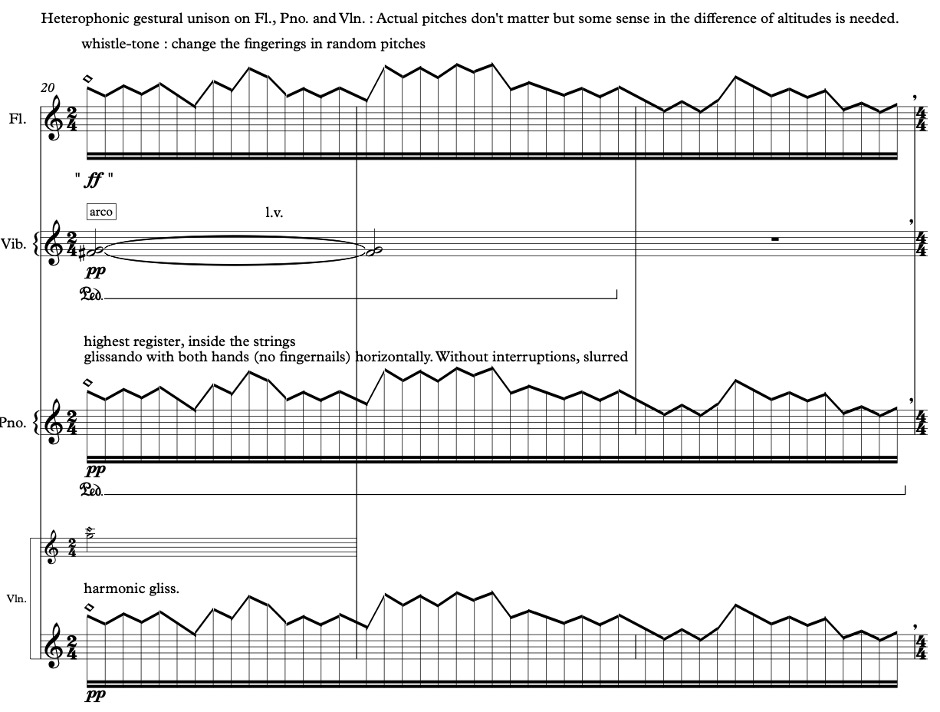 Figure 30: The Fingers of a Shaman, mm. 20-22.
Media 28: The Fingers of a Shaman (mm. 20-22) by Jihyoung Lee, video recording of live performance of the CORE 2 Ensemble (McGill), Montréal, April 2022. Watch Media 28.
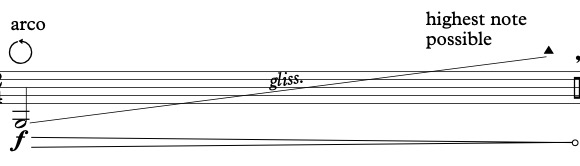 Figure 31: The Fingers of a Shaman, m. 40.
Media 29: The Fingers of a Shaman (m. 40) by Jihyoung Lee, video recording of live performance of the CORE 2 Ensemble (McGill), Montréal, April 2022. Watch Media 29.
One last use of glissando in the piece is found at m. 113 in the violin. Lee indicates a starting pitch, then an approximate trajectory of the glissando is indicated by a curved line. Some approximate pitches along the way are notated (Figure 32). The resulting effect resembles a Xenakis-like glissando, such as those found in the solo violin piece Mikka. However, there is more freedom left to the performer in Lee’s notation. Xenakis specifies pitches down to the quarter tone, which changes the speed of the glissando between notes (Xenakis 1972, preface–p. 1). Lee indicates an approximate trajectory but does not specify anything regarding the speed of the slide.
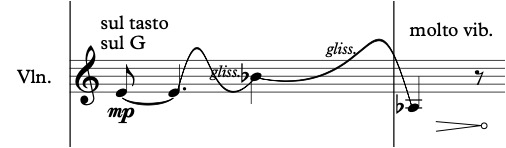 Figure 32: The Fingers of a Shaman, m. 113.
Media 30: The Fingers of a Shaman (m. 113) by Jihyoung Lee, video recording of live performance of the CORE 2 Ensemble (McGill), Montréal, April 2022. Watch Media 30.
Finally, at certain points in the piece, Lee uses extended techniques to create explicit timbral contrast in repeated motifs (McAdams et al. 2022). There are two clear examples of this in the string parts. At m. 26-28, the flute, bass clarinet, trombone, violin, and cello softly sustain the pitch class C, spread across three octaves. All instruments are instructed to play senza vibrato. The violin is additionally marked sul tasto and the cello flautando. The resulting sound is breathy and hollow. At m. 29, the ensemble suddenly has louder dynamics, with some orchestrational modifications: the flute and trombone go up an octave and add flutter tongue, the bass clarinet plays an entirely different gesture (overtone glissando), the violin and cello play double stops, with one of the Cs for each instrument altered to C-quarter-sharp, and the strings also use overpressure, notated in the score as “exaggerated bow pressure.” The beading created from the quarter tone dissonance along with the crushed sound from the overpressure blend with the flutter tongue to create an entirely different timbre, something less stable and with more texture. This timbre contrasts boldly with the timbre of m. 26 (Figure 33).The second example of timbral contrast is found at m. 127 and m. 129 (Figure 34). The percussion (shaker), piano (hitting the strings inside the instrument), and strings play three accented sixteenth notes. The strings are forte and molto sul tasto, with exaggerated bow pressure. The mix of sul tasto with overpressure creates an extremely gritty, noisy sound. In m. 129, the same instruments repeat the gesture, with the addition of the trombone hitting the mouthpiece with the palm of the hand. The strings lose the sul tasto and overpressure markings and instead have molto sul ponticello. The lack of overpressure removes a lot of noise from the timbre, but the addition of ponticello results in many upper partials. The resulting timbre is a much clearer, louder, and colder gesture that contrasts intensely with the gesture at m. 127, even though no pitches, registers, or rhythms were changed.
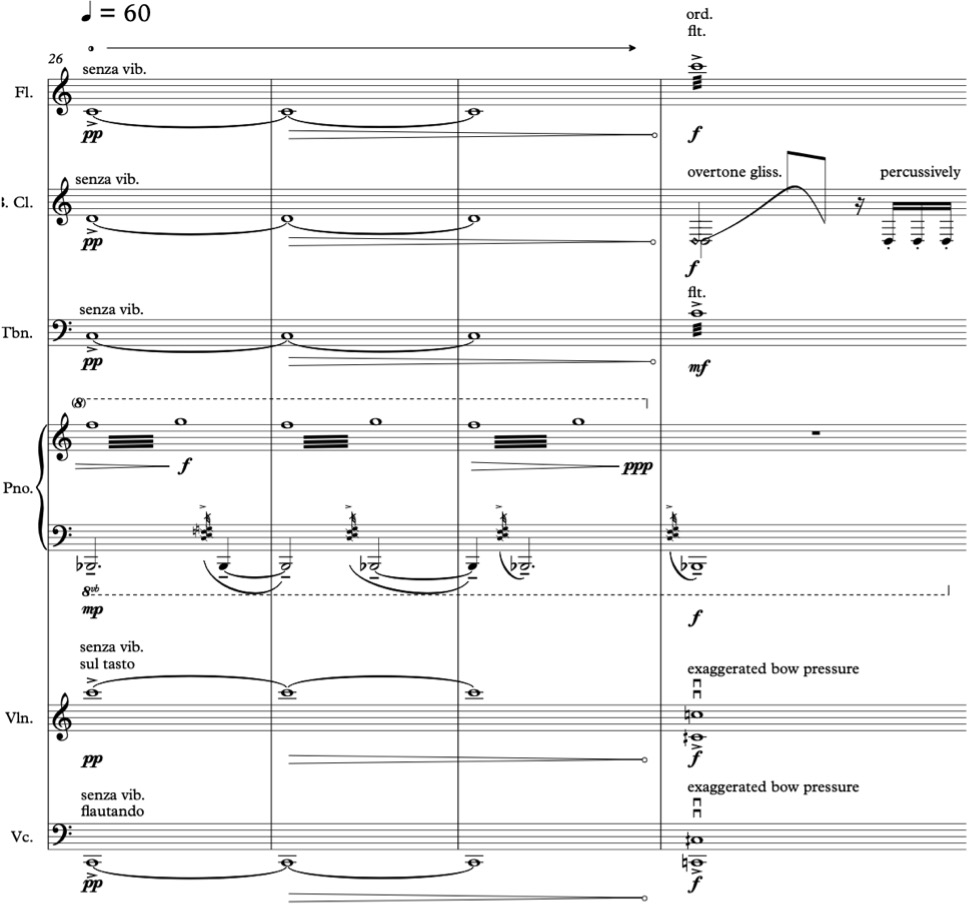 Figure 33: The Fingers of a Shaman, mm. 26-29.
Media 31: The Fingers of a Shaman (mm. 26-29) by Jihyoung Lee, video recording of live performance of the CORE 2 Ensemble (McGill), Montréal, April 2022. Watch Media 31.
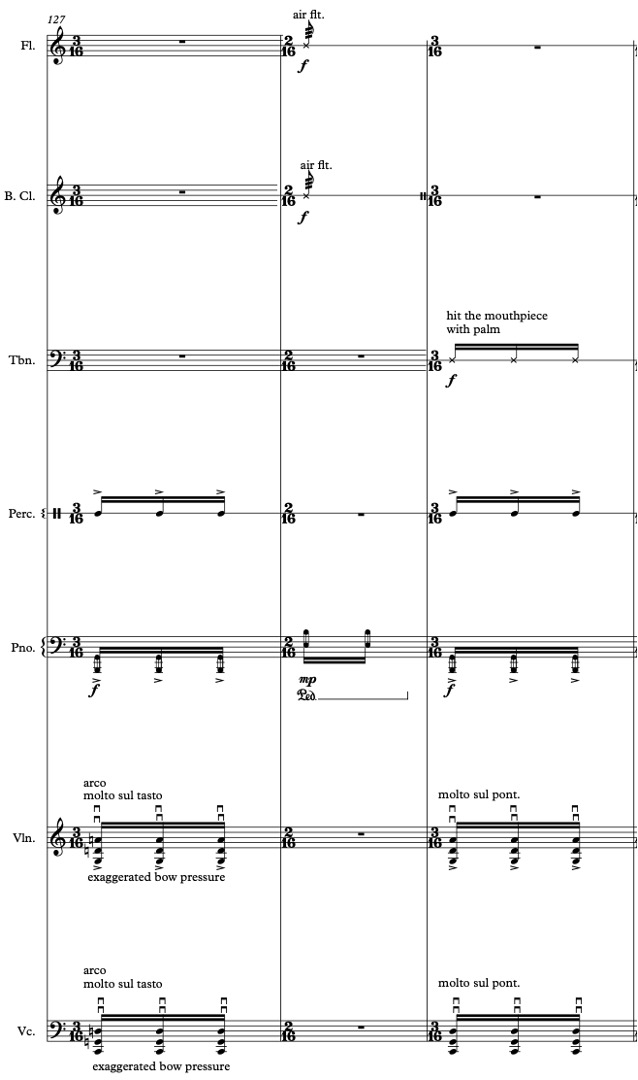 Figure 34: The Fingers of a Shaman, mm. 127-129.
Media 32: The Fingers of a Shaman (mm. 127-129) by Jihyoung Lee, video recording of live performance of the CORE 2 Ensemble (McGill), Montréal, April 2022. Watch Media 32.
In conclusion, Jihyoung Lee’s The Fingers of a Shaman presents an exploration into the individual timbral possibilities of each instrument. The strings serve as a fertile ground for experimentation and are challenged with both new extended techniques and familiar techniques that are modified or notated in unconventional ways. These techniques, when audible, typically function in this piece as events in themselves, or to highlight timbral contrast between gestures.
Conclusion: implications of CORE as a performer
My analyses of these three pieces demonstrate the analytical tools I gained by participating in McGill’s CORE 2. I analyzed the pieces using the taxonomy (TOGE) we learned during the class and with a fresh set of ears thanks to three years’ worth of hindsight and practical application of knowledge from the course. The use of strings, while different in each piece, suggests a period of experimentation and discovery that shaped the participants’ relationship to timbre, orchestration, ensemble playing, and contemporary music. I would now like to offer a reflection on how learning these tools impacted my life as a performer and teacher.
I owe much of who I am as a performer today to my participation in CORE. The theoretical aspects of the course helped me immensely. Learning about the taxonomy of orchestral grouping effects allowed me put words to musical phenomena that I was already hearing and discussing with my collaborators. Streams, strata, surface textures, blend, non-blend, timbral emergence, and timbral augmentation are now solidly part of my musical vocabulary. The ability to identify and name abstract musical phenomena, such as timbre, saves time during rehearsals and helps clarify discussions around musical decisions, especially in chamber music.
To borrow a term from one of my mentors—CORE also served as an eight-month “ear stretching” exercise. Especially during the introductory phase, we were exposed to contemporary music composers such as György Ligeti and Kaija Saariaho and were asked to engage with their works through musical analysis. Through discussions with my colleagues, I also discovered Iannis Xenakis, Brian Ferneyhough, Ben Johnston, Helmut Lachenmann, and many others. I had limited exposure to contemporary music before the class, but by the end, I had basic knowledge and craved more. Now, three years later, I have founded a collective and a string quartet, both dedicated to new music. Most of my performance livelihood is now within the new music scene.
The contacts I made during CORE were priceless. I have since collaborated with two of the composers from my cohort on multiple occasions, premiering at least five of their new works. By chance, I was paired with a composer from CORE 1 (UCSD) at a summer festival, and we created a new work together.4This collaboration with composer Stephen de Filippo at the Composers Conference resulted in the piece Stone Compression for violin, megaphone, and electronics (2022), the recording of which may found here: https://youtu.be/naVNAEtsD9k?si=rshwkWRTm1xTTx4M. All of these collaborations have been wonderfully fruitful, partially due to the common language and experience we gained from participating in CORE.
My participation in CORE has also influenced my teaching. I realized that in string pedagogy, extended techniques are taught very late in the process, generally only after fundamental techniques have been mastered. In my case, contemporary repertoire was not introduced until late in my undergraduate degree. When I finally began to play contemporary music, the extended techniques came with difficulty and apprehension. CORE pushed me to practice some of these techniques so they were readily available for our composers to experiment with. After CORE, I compiled over 100 etudes addressing contemporary techniques and problems on the violin; I have since studied some of these works. Now, when I encounter these techniques in pieces unfamiliar to me, I am generally able to execute them with ease, and focus on other aspects of the music rather than getting caught up in the technical production of certain sounds.
When I teach, especially with young students, I make a point of subtly integrating extended techniques into my pedagogy. For example, if my student accidentally plays too close to the bridge and makes a squeaking sound, I point out that there is a name for that: ponticello. I will ask them to intentionally play ponticello and describe the timbre. Often, my students will respond with how they physically produced the sound: light bow pressure, close to the bridge. I push them to describe the sound and find words like “icy,” “sparkly,” etc. When the student has accumulated a number of extended techniques over time (such as ponticello, tasto, ricochet, playing behind the bridge, etc.), I will ask them to write a short piece that incorporates these new sounds. I hope that these explorations will prepare my students to play the music of their generation with more ease and possibly spark an interest in contemporary music.
Lastly, while CORE was conceived of as a project with a specific time frame and research goals, I believe that it serves as an excellent model for a university-level course on contemporary music. The theoretical phase allows time for performers to attain a baseline level of knowledge about contemporary music and techniques, making the workshop and rehearsal time much more efficient. The workshop format takes away some of the stress associated with a performance-driven ensemble setting. The length of the course, one school year, allows composers and performers to develop trust and meaningful artistic relationships. I encourage universities to explore how they can integrate this structure into their existing contemporary music ensembles to give all students a chance to approach contemporary music in a productive, meaningful way.
Bibliography
Composer-performer Orchestration Research Ensembles (CORE), https://www.actorproject.org/workgroups/core, accessed 15 February 2025.
Lee, Jihyoung (2022), The Fingers of a Shaman, McGill University CORE 2, Frédéric-Alexandre Michaud (conductor), https://youtu.be/Eqaff3ebLf8?si=QzLbC67kNtVNEwmz.
Lee, Jihyoung (2022), The Fingers of a Shaman, score, unpublished.
McAdams, Stephen, and Guillaume Bourgogne (2021), McGill University Syllabus. MUGS 675D1/D2-001 Composer-performer Orchestration Research Ensemble, unpublished.
McAdams, Stephen, Meghan Goodchild, and Kit Soden (2022), “A Taxonomy of Orchestral Grouping Effects Derived from Principles of Auditory Perception,” Music Theory Online, vol. 28, no 3, https://www.mtosmt.org/issues/mto.22.28.3/mto.22.28.3.mcadams.php, accessed 1 December 2024.
OrchView. A Music Analysis Platform for Orchestration Research, https://www.orchview.com, accessed 7 October 2025.
Pari, Anita (2022), To A Lullaby, McGill University CORE 2, Frédéric-Alexandre Michaud (conductor), https://youtu.be/KvnvWe-dvIU?si=CT9xEIXk92jdXqjs.
Pari, Anita (2022), To A Lullaby, score, OrchView Database.
Sandell, Gregory J (1995), “Roles for Spectral Centroid and Other Factors in Determining ‘Blended’ Instrument Pairing in Orchestration,” Music Perception, vol. 13, no 2, https://doi.org/10.2307/40285694.
Sarasate, Pablo de ([1877]1908), Zigeunerweisen, score, New York, G. Schirmer.
Tougas, Louis-Michel (2022), Étude, McGill University CORE 2, Frédéric-Alexandre Michaud (conductor), https://youtu.be/ve23cuyT1AI?si=RJ7TymXd2HuDc7OT.
Tougas, Louis-Michel (2022), Étude, score, OrchView Database.
Xenakis, Iannis ([1971]1972), Mikka pour violon, score, Paris, Éditions Salabert.
 |
RMO_vol.13.1_Wantuch |
Attention : le logiciel Aperçu (preview) ne permet pas la lecture des fichiers sonores intégrés dans les fichiers pdf.
Citation
- Référence papier (pdf)
Bailey Wantuch, « An Orchestrational Analysis of Creations from the 2021-2022 Composer-performer Orchestration Research Ensemble at McGill University », Revue musicale OICRM, vol. 13, no 1, 2026, p. 57-91.
- Référence électronique
Bailey Wantuch, « An Orchestrational Analysis of Creations from the 2021-2022 Composer-performer Orchestration Research Ensemble at McGill University », Revue musicale OICRM, vol. 13, no 1, 2026, mis en ligne le 2 juin 2026, https://revuemusicaleoicrm.org/rmo-vol13-n1/orchestrational-analysis-core-mcgill/, consulté le…
Author
Bailey Wantuch, McGill University
Violinist Bailey Wantuch specializes in contemporary and 20th-century music. She is a member of Quatuor Mémoire and has worked with new-music ensembles such as Paramirabo, Collectif9, and the Ensemble of the Société de musique contemporaine du Québec, appearing as both an ensemble member and soloist. Bailey is currently completing a Doctor of Music in Performance Studies at McGill University, with graduation anticipated in the fall of 2026, supported by the Fonds de recherche du Québec. She previously studied at Northwestern University. Recently, she served as Teaching Assistant Professor at Memorial University Newfoundland.
Notes
| ↵1 | www.actorproject.org/workgroups/core (last consultation on October 17, 2025). |
|---|---|
| ↵2 | No media example is given for Figure 20 because the technique is not audible in the recording due to the orchestration. |
| ↵3 | No media example is given for Figure 23 because the technique is not audible in the recording due to the orchestration. |
| ↵4 | This collaboration with composer Stephen de Filippo at the Composers Conference resulted in the piece Stone Compression for violin, megaphone, and electronics (2022), the recording of which may found here: https://youtu.be/naVNAEtsD9k?si=rshwkWRTm1xTTx4M. |